TGS factory project fit · Updated August 29, 2026
Toy Gift Supply is a bulk custom plush manufacturer for established brands, retailers, licensed programs and funded merchandise projects. Our standard MOQ is 3,000 pieces per design.
- Required before quotation or sampling: front, side and back views with finished dimensions.
- A single AI-generated image may show the concept, but it is not a production-ready drawing.
- Buyers must own the original character or have authorization to manufacture it.
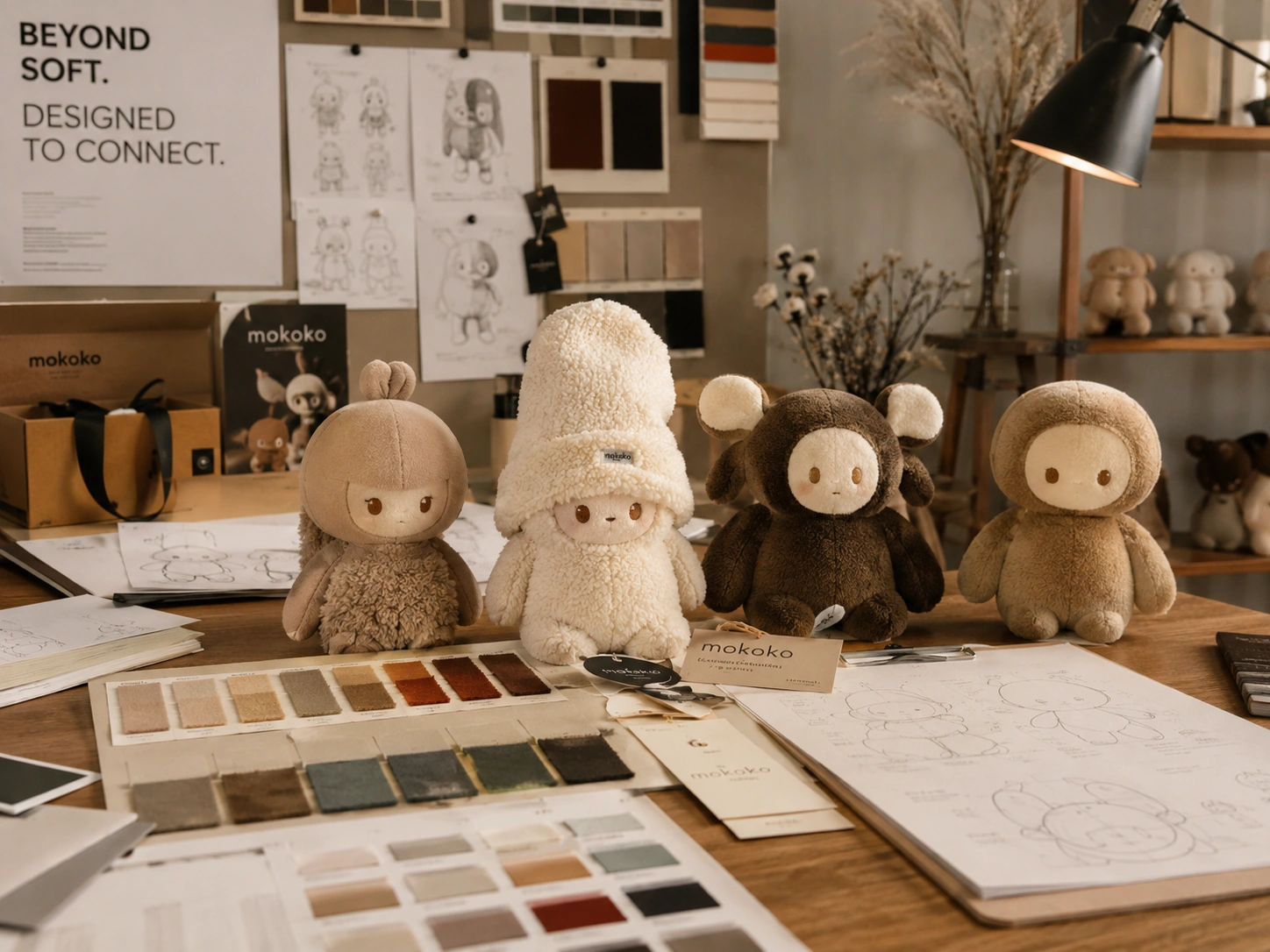
Define the measurement method before sampling so the approved product matches the intended display and packaging plan.
Common Custom Plush Size Ranges
| Nominal size | Typical product direction | Buyer planning notes |
|---|---|---|
| 5–8 cm | Mini charm, zipper pull, blind-box micro plush | Best for simple shapes; facial detail and seam allowance become limited |
| 8–12 cm | Bag charm, plush keychain, capsule or blind-box plush | Works well with embroidery and standard keychain hardware |
| 12–15 cm | Desk plush, souvenir, compact gift-shop item | Good balance between detail, shelf space and packaging size |
| 15–18 cm | Small retail plush, mascot mini, promotional gift | Allows clearer body proportions and more branding positions |
| 18–25 cm | Standard retail plush and private-label hero item | Common for gift, specialty retail and ecommerce programs |
| 25–35 cm | Medium mascot, premium gift or room décor plush | Higher fabric use and larger cartons; useful for stronger visual impact |
| 35–50 cm | Large statement plush, display mascot or promotional prize | Shipping volume, stuffing density and shape support become major factors |
| 50 cm+ | Oversized display or special campaign item | Requires dedicated packaging, carton and logistics review |
How Should Plush Size Be Measured?
“20 cm plush” can mean different things. One buyer may measure from the seated base to the top of the head, while another includes ears, hair, a hat or an extended tail. The measurement method must be written on the artwork or specification sheet.
- Standing height: bottom of feet to the highest fixed point.
- Seated height: seated base to the top of the head or fixed feature.
- Total height: includes ears, horns, hair, hat or other extensions.
- Body height: excludes removable accessories and loose appendages.
- Width and depth: measure the widest and deepest finished points after stuffing.
Size Recommendations by Sales Channel
| Sales channel | Useful starting size | Reason |
|---|---|---|
| Bag charm and fashion accessory | 8–12 cm | Visible on a bag without becoming too heavy or bulky |
| Blind box and collectible series | 8–15 cm | Supports compact packaging and repeat purchases |
| Museum or attraction gift shop | 12–25 cm | Offers souvenir and standard gift options at different shelf footprints |
| School or sports mascot merchandise | 15–30 cm | Provides enough space for recognizable character and uniform details |
| Corporate campaign gift | 12–20 cm | Balances branding visibility with packing and distribution cost |
| Claw machine or amusement prize | 15–35 cm | Must be matched to machine claw, prize chute and display strategy |
Why a Design Cannot Be Scaled Down Without Changes
A large illustration can contain thin fingers, layered clothing, tiny facial marks and narrow accessories. When it is reduced to a mini plush, seams, embroidery, fabric pile and stuffing need physical space. The factory may need to simplify outlines, enlarge eyes, merge small color blocks or replace narrow parts with embroidery.
How Size Affects Packaging and Freight
Plush products are lightweight but volume-sensitive. Larger items can increase carton volume faster than product weight. Compressed packing may help some designs, but it can affect shape recovery, fabric appearance and retail presentation. Decide the retail package and master-carton direction during sampling, not after the product is approved.
| Size decision | Possible effect | What to confirm |
|---|---|---|
| Long ears or tails | Raises total package length | Fold, attach or support method |
| Wide head or skirt | Reduces pieces per carton | Finished width after stuffing |
| Dense stuffing | Improves shape but increases weight and compression resistance | Approved hand feel and recovery |
| Retail gift box | Adds dimensional weight and packaging setup requirement | Window size, insert and carton count |
| Keychain hardware | Requires protection from scratching or tangling | Bag, card or wrap method |
Size Brief to Send Before Sampling
- Mark the main height on the front-view artwork
- State whether ears, hats and accessories are included
- Add target width and depth where shape matters
- Identify the intended use: keychain, shelf plush, mascot, prize or gift
- Provide packaging or display limits
- Confirm whether the same design will be offered in several sizes
How should buyers choose a custom plush toy size?
A custom plush toy size guide should connect finished dimensions with use, embroidery scale, packaging and freight. Mini plush keychains, retail plush and mascot items need different proportions and attachment details, so buyers should mark height, width and depth on the same front, side and back drawing.
The selected size is then quoted against TGS's 3,000-piece MOQ per design, materials and packaging requirements.
Continue your sourcing plan
Size works together with materials, MOQ and packaging.
Frequently Asked Questions
What is the most common size for a retail plush toy?
Many standard retail programs start around 18–25 cm, but the right size depends on the character, shelf space, target price, packaging and shipping plan.
What size works for a plush keychain?
A common starting range is approximately 8–12 cm. Very small designs may require simplified shapes and embroidery.
Does the stated size include ears and hats?
Only when the measurement method says so. Mark whether the dimension is body height, seated height, standing height or total height.
Can one design be produced in several sizes?
Yes, but each size usually needs its own pattern and sample. Details may need to be adjusted rather than scaled mechanically.
Does a bigger plush always cost much more?
Larger size increases fabric, stuffing and shipping volume, but complexity, materials, accessories and packaging also affect the total cost.
Need Help Choosing a Plush Size?
Send the artwork, intended use, target retail channel and packaging limits. We will suggest a practical sampling size for review.