TGS factory project fit · Updated August 29, 2026
Toy Gift Supply is a bulk custom plush manufacturer for established brands, retailers, licensed programs and funded merchandise projects. Our standard MOQ is 3,000 pieces per design.
- Required before quotation or sampling: front, side and back views with finished dimensions.
- A single AI-generated image may show the concept, but it is not a production-ready drawing.
- Buyers must own the original character or have authorization to manufacture it.
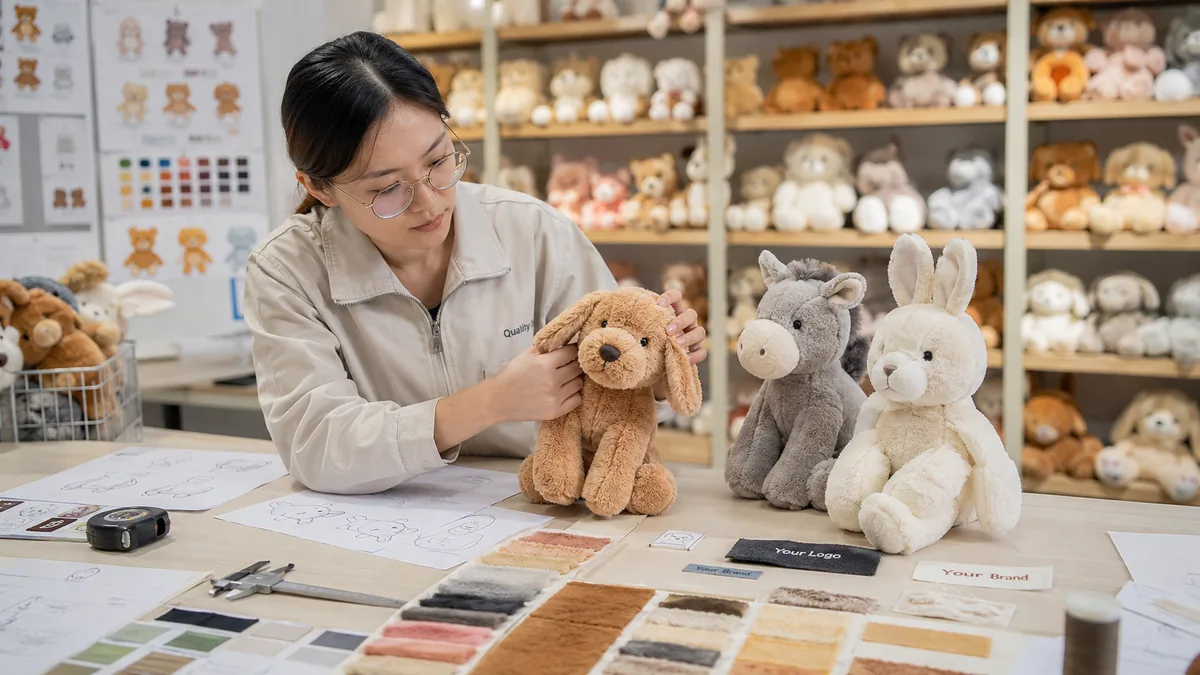
A first custom plush project needs clear scope before sampling begins.
Send your artwork, target size, quantity per design, destination market and packaging request. We can review the project against our 3,000-piece-per-design MOQ and current sample-development baseline before you commit to bulk production.
What This Guide Helps Buyers Decide
How to Start a Custom Plush Toy Project is written for first-time buyers preparing a custom plush project. The main goal is to help buyers understand moving from idea to sample without missing the information a factory needs before they ask for a sample or quotation.
For B2B plush sourcing, a useful article should not only describe the product. It should help the buyer decide what to prepare, what to compare, and which risks to control before production starts. This guide focuses on the practical choices that affect cost, sample accuracy, packaging and reorder planning.
Where This Sourcing Route Fits Best
This topic is most relevant when buyers are planning one of the following projects:
- new character idea
- brand mascot plush
- school merchandise
- gift shop product
- event plush
The right sourcing route depends on how the plush product will be sold or distributed. A gift-shop item, a school mascot, a campaign giveaway and a private-label retail product can all require different size, packaging and approval details.
Key Comparison Points Before Quotation
Before asking for a factory quote, buyers should compare the decisions below. Clear information helps the supplier judge whether the project needs a simple sample, a full development process, special packaging or a more careful production plan.
| # | Buyer Decision | Why It Matters |
|---|---|---|
| 1 | artwork readiness | Confirm this before sampling or quotation so the supplier can suggest a realistic route. |
| 2 | target size | Confirm this before sampling or quotation so the supplier can suggest a realistic route. |
| 3 | material direction | Confirm this before sampling or quotation so the supplier can suggest a realistic route. |
| 4 | quantity range | Confirm this before sampling or quotation so the supplier can suggest a realistic route. |
| 5 | sample expectations | Confirm this before sampling or quotation so the supplier can suggest a realistic route. |
Can you approve a plush prototype before bulk production?
Yes. Prototype approval is one of the most useful risk-control steps in a custom plush project. Review silhouette, face expression, finished dimensions, fabric and color, embroidery, seams, accessories and balance before bulk production begins. If a supplier cannot explain what the sample is intended to confirm, the project is still too vague.
Before paying for development, compare real product evidence as well as quotation terms. TGS publishes current plush products on TikTok @fluffyworld_toys so buyers can inspect workmanship before sending their own artwork. The videos are supplier evidence; your own approved sample is still the production reference.
Common Risks to Control Early
Many plush sourcing problems happen because important details are confirmed too late. Buyers can reduce revisions and misunderstandings by discussing these points at the inquiry stage.
- asking for price before scope is clear
- not deciding size
- missing packaging direction
- changing design after sampling starts
A reliable supplier should be willing to explain which parts are easy to produce, which details may raise cost, and which parts should be simplified before sampling.
What to Prepare Before Contacting a Supplier
A clear project brief makes communication faster and gives the supplier enough information to respond with a practical quotation direction.
- artwork
- target size
- quantity
- material preference
- packaging idea
- delivery target
If some details are not finalized, buyers can still send reference photos or a target retail scenario. The supplier can then suggest a sample route that matches the buyer's channel, quantity and launch timing.
How to Move from Idea to a Practical Order
After the first discussion, buyers should confirm the sample scope, revision process, packaging direction and estimated bulk quantity. These decisions help both sides avoid treating the project as a vague idea instead of a production-ready order.
For most custom plush projects, the safest route is to start with the core design and packaging direction, approve a sample carefully, then lock the production and carton details before bulk manufacturing begins.
Three Questions to Answer Before You Contact a Factory
For a custom plush from drawing project, first confirm whether the artwork clearly shows the character from the views needed for sampling. Second, check the custom plush toy MOQ against the quantity you realistically want for the first design. Third, remember that custom plush prototype cost depends on the actual artwork and construction, so it should be quoted after design review instead of copied from a generic fixed-price table.
What should a first custom plush project brief include?
A custom plush project brief should include front, side and back drawings, finished dimensions, quantity per design, destination market, age grade, labels, packaging and target delivery window. A single AI-generated picture is useful only as a mood reference because it does not define the hidden side, back or construction details.
TGS reviews a custom plush factory RFQ only after the three-view drawing is complete and the planned order is at least 3,000 pieces per design.
Continue your sourcing plan
These related guides help buyers prepare artwork, packaging, MOQ and supplier questions before requesting a quote.
Continue to the relevant sourcing page
Review factory capabilities, MOQ, sampling, packaging and quotation requirements for this project route.
Custom Plush Toy Manufacturer in China →Core manufacturer pages
Review our manufacturing services, real factory route and quotation requirements before starting a project.
Need help reviewing this plush project?
Send your artwork, size, quantity, target market and packaging request. Toy Gift Supply can help review the practical sampling and quotation route.